

Hey there! As a supplier of Type C to Type C cables, I often get asked this question: "Can a damaged Type C to Type C cable cause harm to my device?" Well, let's dive right into it and find out.
First off, let's understand what a Type C to Type C cable is. These cables are super popular these days because they can transfer data and power between two devices that support the Type - C interface. They're used with all sorts of gadgets, like smartphones, laptops, tablets, and even some gaming consoles.
Now, when we talk about a damaged cable, there are a few different ways a cable can get messed up. It could have a frayed outer jacket, exposed wires, a bent or broken connector, or maybe the internal conductors are damaged. Each of these issues can have different consequences for your device.
Frayed Outer Jacket
If the outer jacket of your Type C to Type C cable is frayed, it might seem like a minor issue at first. But here's the deal. The outer jacket is there to protect the internal conductors. Once it's frayed, those conductors are more exposed to the elements. Moisture, dust, and even small particles can get in and cause a short - circuit. A short - circuit happens when the electrical current takes an unintended path, and that can be really bad news for your device. It can cause a sudden surge of power, which might fry your device's internal components.
Exposed Wires
Exposed wires are an even bigger problem. When the wires inside the cable are exposed, they can come into contact with other conductive materials. For example, if you're using your device on a metal surface and the exposed wire touches the metal, it can create a new electrical path. This can not only damage your device but also pose a safety risk to you. You could get an electric shock if you accidentally touch the exposed wire while the cable is plugged in.
Bent or Broken Connector
A bent or broken connector is another common type of damage. If the connector at either end of the cable is bent, it might not make a proper connection with your device. This can lead to intermittent charging or data transfer issues. You might notice that your device charges slowly or stops charging altogether. In some cases, a bent connector can also cause a short - circuit inside the device's charging port. This can damage the port and make it impossible to charge your device with any cable in the future.
Damaged Internal Conductors
Internal conductors are the wires inside the cable that carry the electrical current and data. If these conductors are damaged, it can disrupt the flow of power and data. For example, if one of the power - carrying conductors is damaged, your device might not receive enough power to charge properly. On the other hand, if a data - carrying conductor is damaged, you might experience data transfer errors or slow transfer speeds.
How to Avoid Damaging Your Type C to Type C Cable
So, now that we know the potential risks of a damaged cable, how can we avoid damaging them in the first place? Here are some tips:
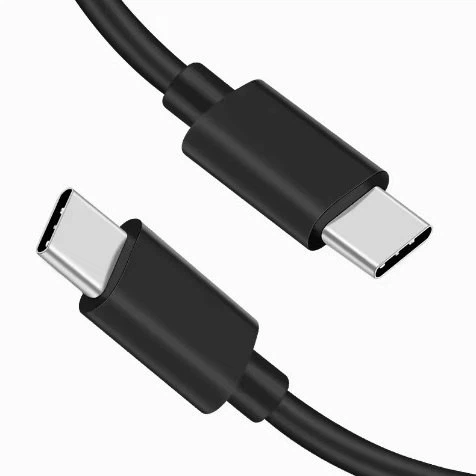

- Proper Storage: Don't just shove your cables into a drawer in a big tangle. Instead, coil them neatly and store them in a cable organizer. This will prevent them from getting kinked or bent.
- Be Gentle: When plugging and unplugging the cable, be gentle. Don't yank on the cable; instead, hold the connector and pull it out slowly.
- Avoid Sharp Objects: Keep your cables away from sharp objects that could cut through the outer jacket.
Our High - Quality Type C to Type C Cables
As a Type C to Type C cable supplier, we offer a range of high - quality cables that are designed to last. For example, our 3A Fast Charge PVC USB C Cable is perfect for fast charging your devices. It's made with high - quality PVC material that provides excellent protection for the internal conductors.
We also have the 5A Transparent USB C Cable. This cable is not only great for high - speed charging but also looks really cool with its transparent design. And if you're looking for something more unique, our Lanyard Cable is a great option. It's not only a functional cable but also doubles as a lanyard, so you can keep it handy at all times.
Conclusion
In conclusion, a damaged Type C to Type C cable can definitely cause harm to your device. Whether it's a frayed outer jacket, exposed wires, a bent connector, or damaged internal conductors, each type of damage can lead to problems like short - circuits, slow charging, or data transfer issues. That's why it's important to take good care of your cables and replace them if they show signs of damage.
If you're in the market for high - quality Type C to Type C cables, look no further. We're here to provide you with the best products at competitive prices. Contact us to discuss your procurement needs, and let's work together to keep your devices charged and connected.
References
- "Electrical Safety for Consumer Electronics", Consumer Electronics Association
- "USB Type - C: The Future of Connectivity", IEEE Spectrum