

As a magnetic cable supplier, I often encounter various questions from customers, and one of the most frequent inquiries is whether a magnetic cable can be used in extreme temperatures. This is a crucial concern, especially for industries and applications where cables are exposed to harsh environmental conditions. In this blog post, I'll delve into the science behind magnetic cables and their performance in extreme temperatures, based on my experience and industry knowledge.
Understanding Magnetic Cables
Before we discuss the impact of extreme temperatures, let's first understand what magnetic cables are. Magnetic cables, also known as magnetic charging cables, are designed with a magnetic connector at one or both ends. This magnetic connection offers several advantages, such as easy attachment and detachment, reduced wear and tear on the charging port, and protection against accidental disconnection. For iPhone users, a Magnetic Charging Cable for iPhone provides a convenient and reliable charging solution.
The core components of a magnetic cable include the conductor, insulation, and the magnetic connector. The conductor is usually made of copper or aluminum, which are excellent conductors of electricity. The insulation material, typically made of plastic or rubber, protects the conductor and prevents electrical leakage. The magnetic connector consists of magnets and metal contacts that ensure a secure and stable connection.
Effects of Extreme Cold on Magnetic Cables
Extreme cold can have several effects on magnetic cables. One of the primary concerns is the impact on the insulation material. Most insulation materials become more brittle in cold temperatures, which can lead to cracking and damage. Once the insulation is compromised, the conductor is exposed, increasing the risk of electrical short circuits and safety hazards.
In addition to the insulation, the magnetic properties of the connector can also be affected by cold temperatures. Magnets lose some of their magnetic strength as the temperature drops. This can result in a weaker magnetic connection, making it easier for the cable to disconnect accidentally. Moreover, the metal contacts in the connector may contract in the cold, which can increase the resistance and reduce the charging efficiency.
However, not all magnetic cables are created equal. Some cables are designed with special insulation materials that are more resistant to cold temperatures. These materials can maintain their flexibility and integrity even in extremely cold environments, ensuring reliable performance. As a supplier, I offer a range of magnetic cables that are suitable for cold-weather applications, providing customers with peace of mind.
Effects of Extreme Heat on Magnetic Cables
On the other end of the temperature spectrum, extreme heat can also pose challenges for magnetic cables. High temperatures can cause the insulation material to soften and melt, leading to a loss of electrical insulation. This can result in electrical leakage, overheating, and even fire hazards.
The conductor in the cable can also be affected by extreme heat. As the temperature rises, the resistance of the conductor increases, which can lead to a decrease in charging efficiency. In addition, the metal contacts in the connector may expand in the heat, which can cause poor contact and intermittent charging issues.
Furthermore, the magnetic properties of the connector can be degraded by high temperatures. Magnets can lose their magnetic strength when exposed to excessive heat, which can weaken the magnetic connection and make it less reliable.
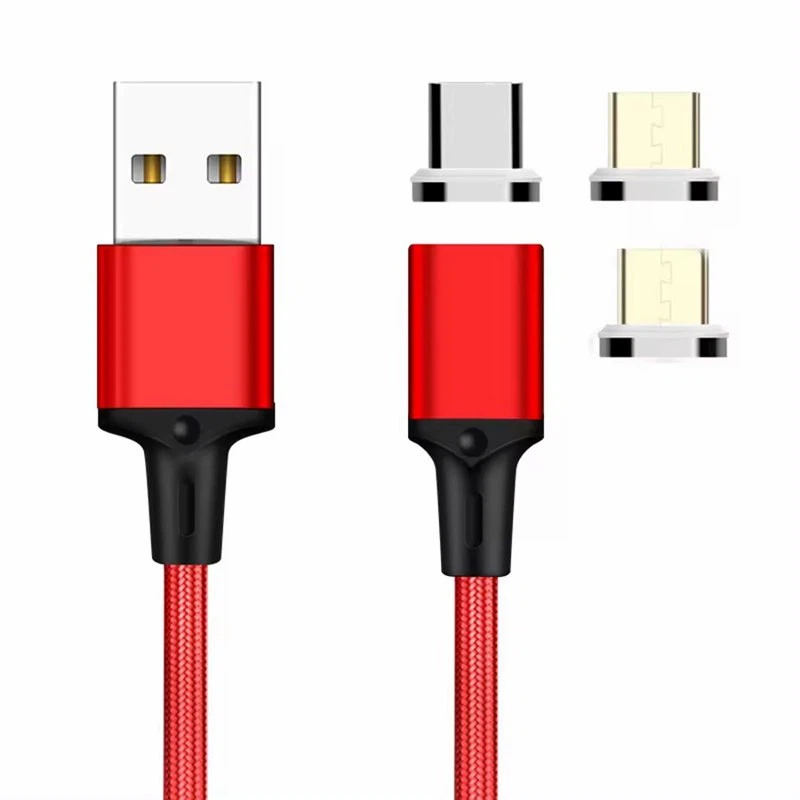

To address these issues, some magnetic cables are designed with heat-resistant insulation materials and high-quality conductors that can withstand high temperatures. These cables are suitable for applications where the cable is exposed to heat sources, such as near electronic devices or in industrial environments.
Testing and Certification
To ensure the performance and safety of magnetic cables in extreme temperatures, it's essential to conduct rigorous testing. Many cable manufacturers subject their products to temperature cycling tests, where the cables are exposed to a range of temperatures from extreme cold to extreme heat. These tests simulate real-world conditions and help identify any potential issues with the cable's performance.
In addition to temperature cycling tests, cables may also undergo other tests, such as electrical performance tests, mechanical stress tests, and flammability tests. Cables that meet the relevant industry standards and certifications are more likely to perform well in extreme temperatures.
As a supplier, I work closely with manufacturers to ensure that the magnetic cables I offer are tested and certified to meet the highest quality and safety standards. This allows me to provide customers with reliable products that can withstand extreme temperatures.
Applications in Extreme Temperatures
Despite the challenges posed by extreme temperatures, magnetic cables have a wide range of applications in harsh environments. In the automotive industry, for example, magnetic cables are used in vehicles to charge electronic devices, such as smartphones and tablets. These cables need to be able to withstand the extreme temperatures inside a car, especially during hot summers and cold winters.
In the aerospace and military industries, magnetic cables are used in various applications, including avionics systems and communication devices. These cables are often exposed to extreme temperatures, high altitudes, and other harsh environmental conditions. Therefore, they need to be highly reliable and durable.
In industrial settings, magnetic cables are used in machinery and equipment that generate a lot of heat. These cables need to be able to withstand the high temperatures and maintain their performance over time.
Choosing the Right Magnetic Cable for Extreme Temperatures
When choosing a magnetic cable for extreme temperatures, there are several factors to consider. First, look for cables that are specifically designed for use in extreme environments. These cables are typically made with high-quality materials that are more resistant to temperature changes.
Second, consider the temperature range that the cable will be exposed to. Make sure the cable is rated for the specific temperature range of your application. For example, if you need a cable for use in a very cold environment, choose a cable that is designed to withstand low temperatures.
Third, look for cables that have been tested and certified to meet industry standards. This ensures that the cable has been thoroughly tested and meets the required safety and performance criteria.
Finally, consider the brand and reputation of the supplier. A reputable supplier will offer high-quality products and provide excellent customer service. As a supplier, I am committed to providing my customers with the best magnetic cables for their needs, including those suitable for extreme temperatures.
Conclusion
In conclusion, while extreme temperatures can pose challenges for magnetic cables, it is possible to use them in harsh environments with the right design and materials. By understanding the effects of extreme cold and heat on magnetic cables, customers can make informed decisions when choosing a cable for their specific application.
As a magnetic cable supplier, I am dedicated to providing high-quality products that are suitable for a wide range of temperatures. Whether you need a cable for cold-weather applications or high-temperature environments, I have the expertise and products to meet your needs. If you're interested in learning more about our magnetic cables or have any questions, please feel free to contact me. I look forward to discussing your requirements and helping you find the perfect cable solution.
References
- "Temperature Effects on Magnetic Materials," Journal of Magnetism and Magnetic Materials
- "Testing and Certification of Electrical Cables," International Electrotechnical Commission (IEC) Standards
- "Magnetic Cables: Design and Applications," IEEE Transactions on Power Electronics