

Can I use a UL certified wall charger internationally?
As a supplier of UL Certified Wall Chargers, I often get asked whether these chargers can be used internationally. The answer isn't a simple yes or no; it involves understanding multiple factors such as electrical standards, plug types, and the charger's design.
UL Certification: What Does It Mean?
UL, or Underwriters Laboratories, is a well - known independent safety science company. When a wall charger is UL certified, it means that the charger has met specific safety standards set by UL. These standards cover aspects like electrical safety, fire resistance, and mechanical safety. UL certification is widely recognized in the United States and is an important mark of quality and safety for consumers and businesses alike.
However, it's crucial to note that UL certification is primarily focused on the safety requirements within the United States. It doesn't automatically guarantee that the charger will be suitable for use in other countries.
Electrical Standards Around the World
One of the main challenges when using a UL certified wall charger internationally is the difference in electrical standards. Different countries have different voltage levels and frequencies. In the United States, the standard voltage is 120V at 60Hz. In contrast, many European countries use 230V at 50Hz.
Some modern wall chargers, including our UL Wall Charger, are designed to be universal. They can operate within a wide range of input voltages, typically from 100V to 240V. This means that these chargers can be used in many countries without any issues related to voltage differences. You can easily check the charger's label to see if it has a wide - input voltage range. If it says something like "100 - 240V~ 50/60Hz", then it's a universal charger and can handle different electrical standards.
On the other hand, chargers that are designed specifically for the US market with a fixed input of 120V may not work properly or could even be damaged if used in countries with a higher voltage. For example, plugging a 120V - only charger into a 230V socket can cause overheating, short - circuits, or permanent damage to the charger.
Plug Types
Another significant factor is the plug type. Different countries use different plug designs. In the United States, the most common plug type is the two - or three - pronged flat plug. In the UK, they use a large three - pronged rectangular plug, while in Europe, the Europlug or the Type F plug is common.
You can't simply plug a US - style charger into a non - US socket without an appropriate adapter. There are various plug adapters available in the market that can convert one plug type to another. However, it's important to note that a plug adapter only changes the physical shape of the plug to fit into the socket. It doesn't convert the voltage. So, if your charger isn't designed for the local voltage, using an adapter won't solve the problem.
Our UL Certified Wall Chargers
Our company offers a range of UL certified wall chargers, including the 65W Single USB - C GaN Fast Wall Charger and the 20w USB C Wall Charger. These chargers are designed with modern technology in mind.
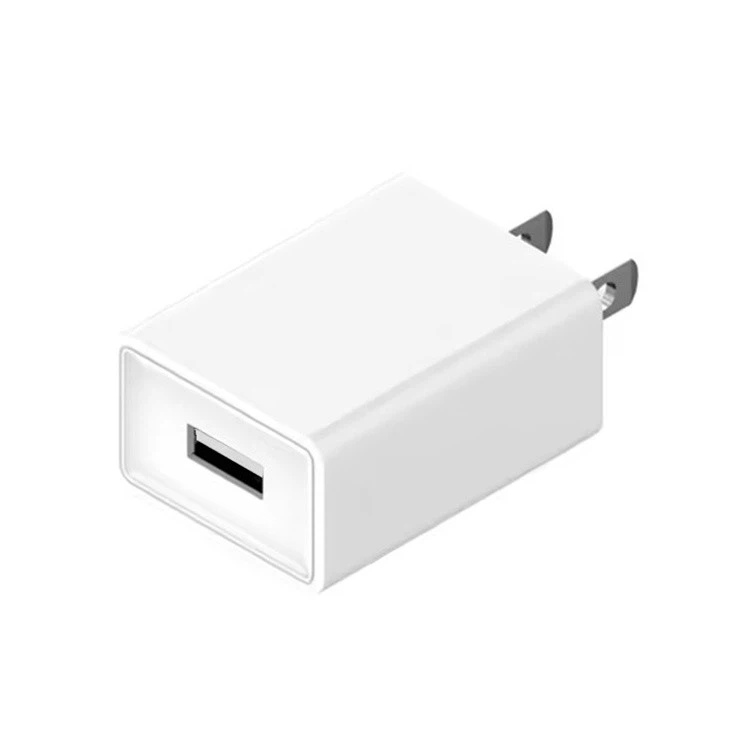

The 65W Single USB - C GaN Fast Wall Charger uses Gallium Nitride (GaN) technology, which allows for a more compact and efficient design. It has a wide input voltage range of 100 - 240V, making it suitable for international use. Whether you're traveling to Asia, Europe, or Australia, you can use this charger with the appropriate plug adapter.
The 20w USB C Wall Charger is also a great option for international travelers. It's lightweight and portable, and like the 65W charger, it has a universal input voltage. This charger is perfect for charging smartphones, tablets, and other small electronic devices on the go.
Considerations for International Use
When using a UL certified wall charger internationally, here are some additional considerations:
- Device Compatibility: Make sure that the charger's output voltage and current are compatible with your device. For example, some devices may require a specific charging current to charge at the optimal speed.
- Local Regulations: Some countries may have additional regulations or safety requirements for electrical devices. Although UL certification is a mark of safety, it's still a good idea to check the local regulations before using the charger.
- Quality of Adapters: If you're using a plug adapter, make sure it's of good quality. A cheap or poorly - made adapter can cause electrical problems or pose a safety risk.
Conclusion
In conclusion, it is possible to use a UL certified wall charger internationally, but it depends on several factors. Our UL certified wall chargers, such as the 65W Single USB - C GaN Fast Wall Charger and the 20w USB C Wall Charger, are designed to be as versatile as possible with their wide input voltage ranges.
If you're interested in purchasing our high - quality UL certified wall chargers for your business or personal use, we invite you to contact us for procurement and negotiation. We are committed to providing you with the best products and services to meet your charging needs.
References
- UL official website: Information about UL certification and safety standards.
- International Electrotechnical Commission (IEC) standards: Details on global electrical standards.
- Various travel and electronics blogs: Insights on using electrical devices internationally.