

Hey there! As a supplier of USB A to Type C cables, I often get asked all sorts of questions about these cables and their uses. One question that pops up quite a bit is, "Can I use a USB A to Type C cable to connect a MIDI device?" Well, let's dig into this topic and find out.
First off, let's understand what a MIDI device is. MIDI, which stands for Musical Instrument Digital Interface, is a protocol that allows electronic musical instruments, computers, and other related devices to communicate with each other. It's like a common language for musical gear. Many modern MIDI devices come with a USB Type C port, which is where our USB A to Type C cables come into play.
Now, the short answer is yes, in most cases, you can use a USB A to Type C cable to connect a MIDI device. The USB interface has become a standard way to connect MIDI devices to computers, tablets, or other host devices. A USB A to Type C cable can transfer both power and data, which are the two main things you need when connecting a MIDI device.
When it comes to power, a MIDI device might need some juice to function properly. Some devices can draw power directly from the host device through the USB cable. Our 3A Fast Charge TPE USB A to C Cable is a great option for this. With its 3A fast - charging capability, it can provide enough power to keep your MIDI device running smoothly. Whether you're using a MIDI keyboard, a drum machine, or a synthesizer, this cable can handle the power requirements.
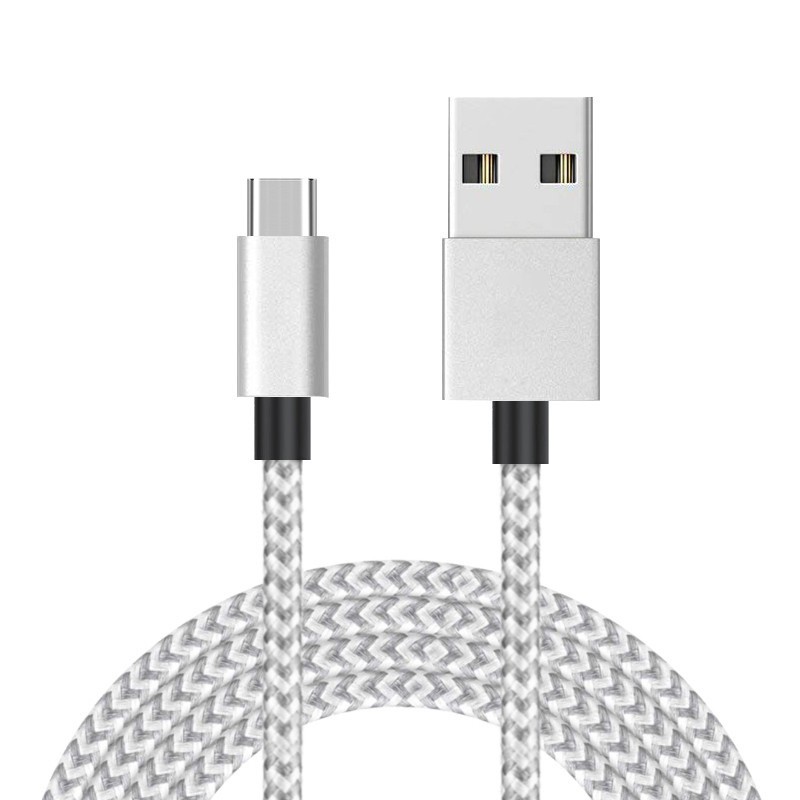
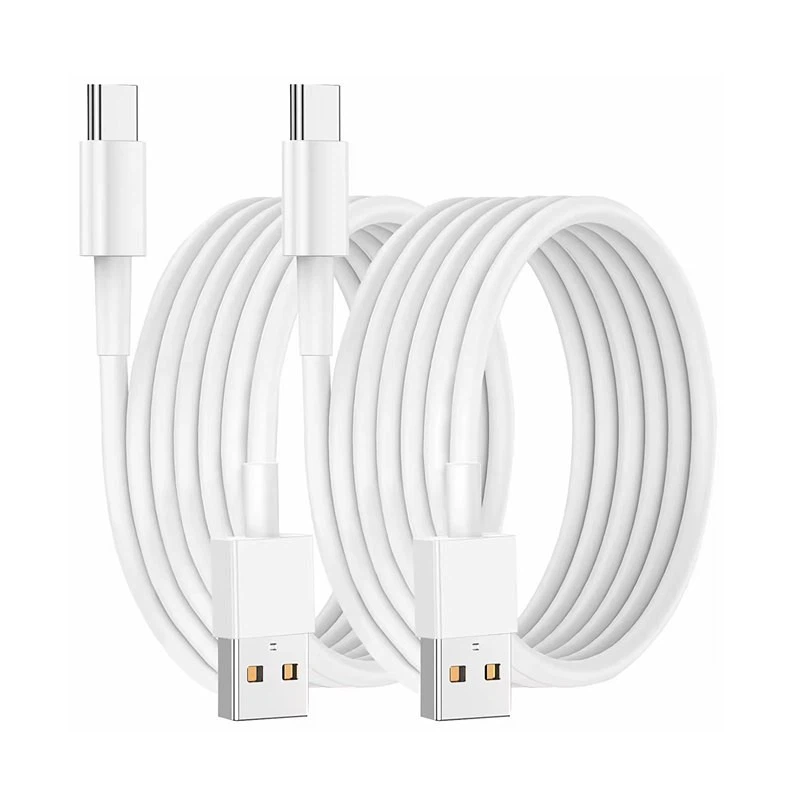
In terms of data transfer, MIDI devices rely on a stable and fast data connection to send and receive musical information. Our cables are designed to support high - speed data transfer. The Double - Braided Nylon Type C Cable is particularly good for this. The double - braided nylon construction not only makes the cable durable but also helps in maintaining a reliable data connection. You won't have to worry about dropped signals or lag when playing your favorite tunes.
However, there are a few things to keep in mind. Some high - end or specialized MIDI devices might have specific requirements. For example, they could need a cable that supports a certain USB protocol version. Make sure to check the device's manual to see if there are any such requirements. Also, the length of the cable can matter. If the cable is too long, it might cause signal degradation. We offer cables in different lengths, so you can choose the one that suits your setup best.
Another aspect to consider is the physical design of the cable. In some setups, space can be a constraint. That's where our Right Angle Gaming Charging Cable comes in handy. The right - angle design allows you to connect the cable in tight spaces without any hassle. This can be really useful if you have a crowded MIDI setup on your desk.
If you're using a MIDI device with a mobile device like a smartphone or a tablet, you need to ensure that the host device supports USB OTG (On - The - Go). USB OTG allows the mobile device to act as a host and communicate with other USB devices. Most modern smartphones and tablets support this feature, but it's always a good idea to double - check.
In addition to the technical aspects, the quality of the cable is crucial. A poor - quality cable can lead to all sorts of problems, such as intermittent connections, slow data transfer, or even damage to your MIDI device. Our cables are made with high - quality materials and go through strict quality control processes. We use premium conductors and shielding to ensure a stable and reliable connection.
Now, let's talk about compatibility. Most MIDI devices that have a USB Type C port are compatible with a standard USB A to Type C cable. But there are always exceptions. Some older MIDI devices might only support USB A ports, in which case you won't need a USB A to Type C cable. On the other hand, if you have a new MIDI device with a Type C port and an older computer with only USB A ports, our cables are the perfect solution.
If you're a musician or a producer, you know how important it is to have a seamless connection between your MIDI devices and your host device. A good cable can make a huge difference in your workflow. You can focus on creating great music without having to worry about technical glitches.
So, if you're in the market for a USB A to Type C cable to connect your MIDI device, look no further. We have a wide range of cables to meet your needs. Whether you need a cable for power, data transfer, or a specific physical design, we've got you covered.
If you're interested in purchasing our USB A to Type C cables for your MIDI setup or have any questions, feel free to reach out. We're always happy to help you find the right cable for your needs. Let's start a conversation and see how we can enhance your musical experience.
References
- MIDI Association official documentation
- USB Implementers Forum standards