

Yes, you can use an HDMI cable with a locking mechanism. HDMI cables with locking mechanisms are designed to provide a more secure and stable connection between devices. This is particularly useful in environments where the cables may be subject to movement, vibration, or accidental tugging, such as in industrial settings, professional audio-visual installations, or home theaters.
How Does a Locking HDMI Cable Work?
A locking HDMI cable typically features a locking mechanism at one or both ends of the cable. This mechanism can vary, but common types include screw-lock, snap-lock, or latch-lock systems. The locking feature ensures that the HDMI plug remains firmly seated in the HDMI port of your device, preventing it from becoming loose or unplugged accidentally.
Advantages of Using a Locking HDMI Cable
- Stability: The most significant advantage of a locking HDMI cable is its ability to maintain a stable connection. This is crucial for high-definition content, as a loose connection can result in signal loss, intermittent display issues, or even complete disconnection.
- Longevity: By preventing the cable from being pulled out or jostled, a locking mechanism can extend the lifespan of both the cable and the HDMI port on your device. This reduces the risk of wear and tear on the delicate pins inside the port, which can lead to connectivity problems over time.
- Safety: In areas where cables are at risk of being tripped over or snagged, a locking HDMI cable can provide an extra layer of safety. It helps to prevent the sudden disconnection of devices, which could potentially cause damage to the equipment or disrupt an important presentation or event.
Applications of Locking HDMI Cables
- Commercial Installations: In commercial settings such as conference rooms, auditoriums, and retail displays, locking HDMI cables are commonly used to ensure reliable connections between devices. These environments often involve frequent movement of people and equipment, which can increase the risk of accidental cable disconnection.
- Industrial Environments: Industrial settings, such as factories and warehouses, are prone to harsh conditions, including vibrations, dust, and moisture. Locking HDMI cables are designed to withstand these challenges and provide a stable connection for monitoring and control systems.
- Home Theaters: Even in a home environment, a locking HDMI cable can be beneficial. It can prevent children or pets from accidentally unplugging the cable, ensuring a seamless viewing experience.
Our Range of HDMI Cables
As an HDMI cable supplier, we offer a wide range of HDMI cables, including those with locking mechanisms. Our products are designed to meet the diverse needs of our customers, whether they are for professional use or home entertainment.
- 8K HDMI AOC Cable: Our 8K HDMI AOC (Active Optical Cable) is perfect for high-resolution displays and applications that require long cable runs. It supports 8K resolution at 60Hz, providing stunning visuals and smooth performance.
- 4K HDMI cable for 60Hz refresh rate: If you're looking for a reliable 4K HDMI cable, our 4K HDMI cable for 60Hz refresh rate is an excellent choice. It delivers crisp and clear 4K content at a smooth 60 frames per second, ensuring an immersive viewing experience.
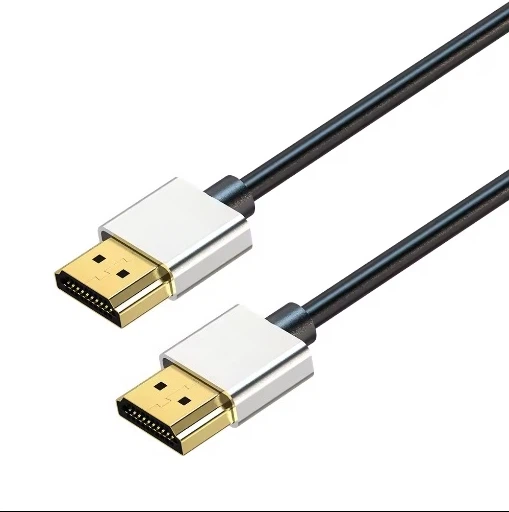
- 1m slim HDMI cable: Our 1m slim HDMI cable is ideal for applications where space is limited. Its slim design allows for easy installation in tight spaces, while still providing a high-quality HDMI connection.
Considerations When Choosing a Locking HDMI Cable
- Compatibility: Ensure that the locking HDMI cable you choose is compatible with your devices. Check the HDMI version supported by your devices, as well as the type of locking mechanism required.
- Length: Consider the length of the cable you need. Longer cables may require additional power or signal boosters to maintain a stable connection.
- Quality: Look for high-quality cables that are made from durable materials and have been tested to meet industry standards. This ensures reliable performance and long-term durability.
Conclusion
In conclusion, using an HDMI cable with a locking mechanism is a great way to ensure a stable and secure connection between your devices. Whether you're setting up a home theater, a commercial installation, or an industrial environment, a locking HDMI cable can provide peace of mind and prevent costly downtime.
If you're interested in purchasing HDMI cables, including those with locking mechanisms, we invite you to contact us to discuss your specific requirements. Our team of experts is ready to assist you in finding the right cables for your needs and budget.

References
- HDMI Licensing Administrator, Inc. (2023). HDMI Specification.
- Consumer Technology Association. (2023). HDMI Technology Overview.