

In the era of digital connectivity, Type C to Type C cables have become indispensable tools for powering and transferring data between various devices. However, with the market flooded with both genuine and counterfeit products, it can be challenging to distinguish between the two. As a Type C to Type C cable supplier, I understand the importance of providing high-quality, genuine cables to our customers. In this blog post, I will share some tips on how to tell if a Type C to Type C cable is genuine.
1. Check the Packaging
The first step in determining the authenticity of a Type C to Type C cable is to examine its packaging. Genuine cables usually come in well-designed, high-quality packaging that includes detailed information about the product, such as the brand name, model number, specifications, and safety certifications. The packaging should also have clear and sharp printing, without any signs of smudging or misalignment.
Look for holograms, serial numbers, or other security features on the packaging. These features are often used by manufacturers to prevent counterfeiting and can be a good indication of the cable's authenticity. If the packaging looks cheap, flimsy, or has missing or incorrect information, it could be a sign that the cable is a counterfeit.
2. Examine the Cable Itself
Once you have inspected the packaging, take a close look at the cable itself. A genuine Type C to Type C cable will have a well-constructed design with high-quality materials. The cable should be flexible but not too soft, and it should have a smooth and even surface.
Check the connectors at both ends of the cable. The connectors should be made of high-quality metal, such as stainless steel or aluminum, and they should fit snugly into the Type C ports of your devices. The pins inside the connectors should be straight, clean, and evenly spaced. If the connectors are loose, wobbly, or have bent or dirty pins, it could be a sign that the cable is a counterfeit.
Another important factor to consider is the cable's length and thickness. Genuine Type C to Type C cables usually come in standard lengths, such as 1 meter, 2 meters, or 3 meters. The thickness of the cable should also be consistent with its rated power and data transfer speed. If the cable is significantly shorter or thicker than the standard, it could be a sign that it is a counterfeit.
3. Look for Certification Marks
Certification marks are an important indicator of a cable's quality and safety. Genuine Type C to Type C cables are usually certified by reputable organizations, such as the USB Implementers Forum (USB-IF), the International Electrotechnical Commission (IEC), or the Underwriters Laboratories (UL). These certifications ensure that the cable meets the industry standards for power delivery, data transfer, and safety.
Look for certification marks on the cable itself or on its packaging. The most common certification marks for Type C to Type C cables include the USB logo, the USB Power Delivery (PD) logo, and the UL logo. If the cable does not have any certification marks, or if the marks look fake or poorly printed, it could be a sign that the cable is a counterfeit.

4. Test the Cable's Performance
One of the best ways to determine if a Type C to Type C cable is genuine is to test its performance. Connect the cable to your devices and check if it can transfer data and charge your devices properly. A genuine cable should be able to transfer data at high speeds and charge your devices quickly and efficiently.
If the cable is not working properly, or if it is causing any issues with your devices, such as overheating, slow charging, or data transfer errors, it could be a sign that the cable is a counterfeit. You can also use a cable tester or a multimeter to check the cable's electrical properties, such as its resistance, capacitance, and voltage. If the cable's electrical properties are not within the normal range, it could be a sign that the cable is a counterfeit.
5. Buy from a Reputable Supplier
Finally, one of the best ways to ensure that you are buying a genuine Type C to Type C cable is to buy from a reputable supplier. As a Type C to Type C cable supplier, we take pride in providing high-quality, genuine cables to our customers. We source our cables from trusted manufacturers who use the latest technology and materials to ensure the best performance and reliability.
When buying a Type C to Type C cable, look for a supplier who has a good reputation in the industry and who offers a warranty or return policy. You can also check online reviews and ratings from other customers to see what they have to say about the supplier and their products.
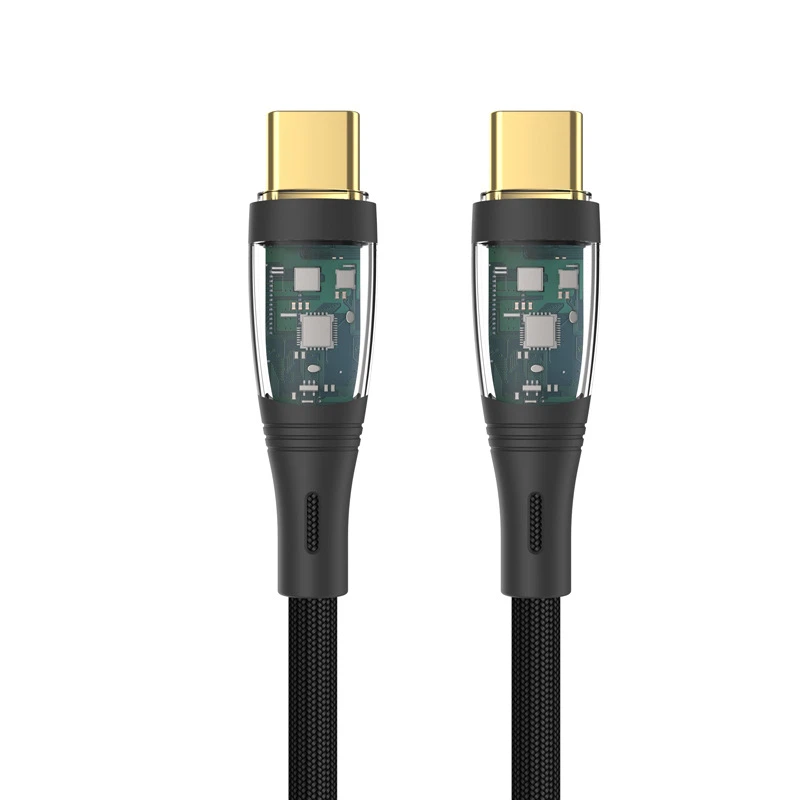
At our company, we offer a wide range of Type C to Type C cables, including 5A Transparent USB C Cable, PD Type C Cable, and Lanyard Cable. Our cables are certified by the USB-IF and other reputable organizations, and they are designed to meet the highest standards of quality and safety.
If you are interested in purchasing Type C to Type C cables, please feel free to contact us for more information. We would be happy to help you find the right cable for your needs and to answer any questions you may have.
References
- USB Implementers Forum. (n.d.). USB Type-C® Cable and Connector Specification. Retrieved from https://www.usb.org/document-library/usb-type-c-cable-and-connector-specification
- International Electrotechnical Commission. (n.d.). IEC 62684:2018 - Plugs, socket-outlets, vehicle connectors and vehicle inlets - Conductive charging of electric vehicles - Rated currents up to 63 A. Retrieved from https://webstore.iec.ch/publication/28095
- Underwriters Laboratories. (n.d.). UL 9990 - Standard for Safety for Electrical Connectors for Flexible Cords, Cables, and Power Supplies. Retrieved from https://ulstandards.ul.com/standard/ul-9990