

Is the USB - A To Right - angle USB - C Cable easy to bend?
In the ever - evolving landscape of technology, the demand for efficient and flexible charging solutions has skyrocketed. Among the many cables available in the market, the USB - A to right - angle USB - C cable has emerged as a popular choice. As a supplier of these cables, I often get asked about one particular aspect: is the USB - A to right - angle USB - C cable easy to bend? In this blog post, I'll delve into this question and provide you with a comprehensive analysis.
Understanding the Design of USB - A to Right - angle USB - C Cables
Before we can discuss the bendability of these cables, it's essential to understand their design. The USB - A to right - angle USB - C cable consists of a USB - A connector on one end and a right - angle USB - C connector on the other. The right - angle design is particularly useful in situations where space is limited, such as when charging a device in a tight corner or when using a laptop with a port located on the side.
The cable itself is made up of multiple layers. The inner layer contains the conductive wires that carry the electrical current. These wires are usually made of copper, which is an excellent conductor of electricity. Surrounding the wires is an insulating layer, which prevents the electrical current from leaking and protects the wires from damage. The outermost layer is the jacket, which provides additional protection and gives the cable its flexibility.
Factors Affecting Bendability
Material of the Jacket
The material of the cable jacket plays a crucial role in determining its bendability. Different materials have different levels of flexibility. For example, cables with a silicone jacket are generally more flexible than those with a PVC jacket. Silicone is a soft and elastic material that can easily conform to different shapes. Our Eco - Friendly Silicone USB C Cable is a prime example of a cable with excellent bendability due to its silicone jacket. The silicone not only makes the cable easy to bend but also provides good resistance to heat, cold, and wear.
On the other hand, PVC jackets are more rigid. While PVC is a durable material, it is less flexible than silicone. Cables with PVC jackets may require more force to bend, and they may not be able to bend as sharply as silicone - jacketed cables.
Thickness of the Cable
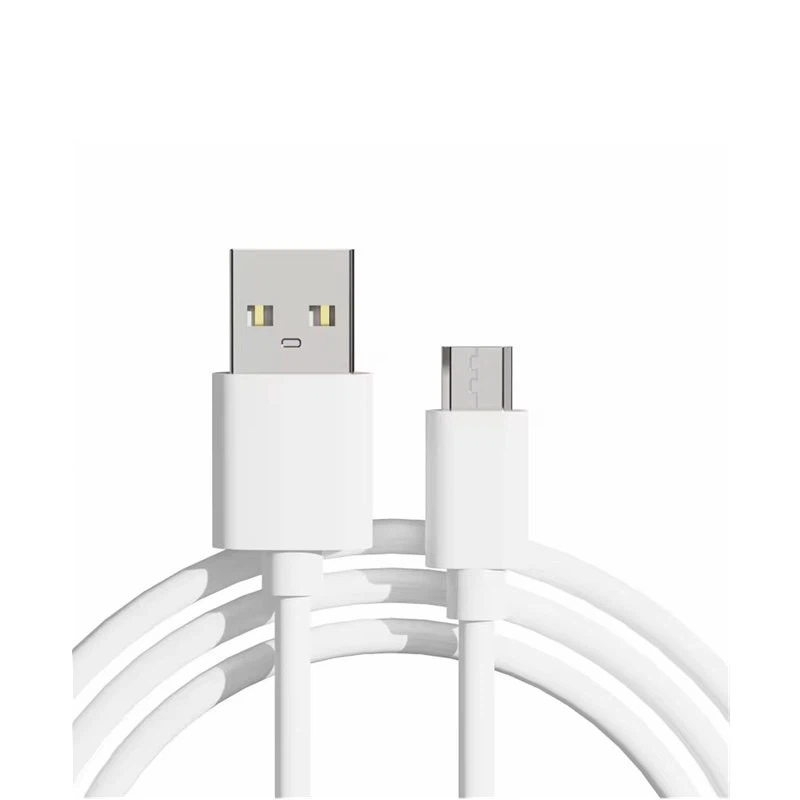
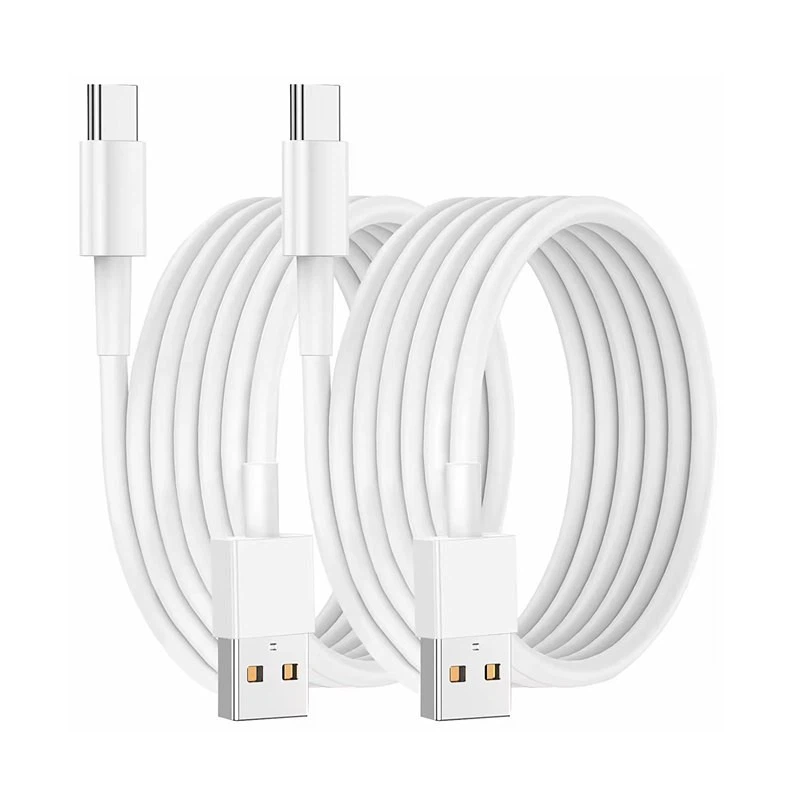
The thickness of the cable also affects its bendability. Thicker cables generally have more internal components, such as more conductive wires or a thicker insulating layer. This can make them stiffer and more difficult to bend. Our 3A Fast Charge TPE USB A to C Cable strikes a good balance between thickness and flexibility. It is thick enough to support fast charging but still flexible enough to be easily bent.
Construction of the Right - angle Connector
The construction of the right - angle connector can also impact the bendability of the cable. A well - designed right - angle connector will allow the cable to bend smoothly without causing excessive stress on the internal wires. Some right - angle connectors are designed with a flexible joint or a curved shape that makes it easier for the cable to bend at the connector end. Our Right Angle Gaming Charging Cable features a high - quality right - angle connector that ensures smooth bending and reliable performance.
Testing the Bendability
To accurately assess the bendability of our USB - A to right - angle USB - C cables, we conduct a series of tests. One of the common tests is the bend test, where we repeatedly bend the cable at a specific angle and measure the number of bends it can withstand before the internal wires break or the performance is affected.
During our tests, we found that our cables with silicone jackets can withstand a large number of bends without any significant degradation in performance. They can be bent sharply at various angles, making them suitable for a wide range of applications. The cables with TPE jackets also performed well, showing good flexibility and durability.
Benefits of an Easily Bendable Cable
An easily bendable USB - A to right - angle USB - C cable offers several benefits. Firstly, it provides greater convenience. You can easily route the cable in different directions, whether you're charging your device on a desk, in a bag, or in a car. This flexibility allows you to use your devices in various environments without having to worry about the cable getting in the way.
Secondly, an easily bendable cable is less likely to get damaged. When a cable is difficult to bend, it may be subjected to excessive stress during use, which can lead to the internal wires breaking or the jacket cracking. By choosing a cable that is easy to bend, you can extend its lifespan and reduce the need for frequent replacements.
Conclusion
In conclusion, the bendability of a USB - A to right - angle USB - C cable depends on several factors, including the material of the jacket, the thickness of the cable, and the construction of the right - angle connector. Our cables, such as the Eco - Friendly Silicone USB C Cable, 3A Fast Charge TPE USB A to C Cable, and Right Angle Gaming Charging Cable, are designed to be highly flexible and easy to bend. They offer excellent performance and durability, making them a great choice for all your charging needs.
If you're interested in purchasing high - quality USB - A to right - angle USB - C cables, we invite you to contact us for procurement and further discussion. We are committed to providing you with the best products and services.
References
- "Cable Materials and Their Properties" - Electrical Engineering Handbook
- "Testing Standards for Cable Bendability" - International Electrotechnical Commission (IEC)