

Hey there! As a wall charger supplier, I've seen my fair share of issues with these little power - givers. In this blog, I'll walk you through some of the common problems with wall chargers that you might encounter.
Overheating
One of the most frequent problems with wall chargers is overheating. You plug in your charger, and after a while, it feels like it's about to start a small fire. There are a few reasons for this.
First off, using a charger with a higher wattage than your device needs can cause overheating. For example, if your phone only requires a 5W charger and you use a 10W one, the extra power has to go somewhere, and it often turns into heat.
Another reason is poor ventilation. If you're using your charger in a tight space, like under a pillow or in a closed drawer, the heat can't escape. Chargers are designed to dissipate heat, but when they're smothered, they can't do their job properly.
Overheating is a big deal because it can damage the charger itself. The internal components can start to break down, and it might even become a fire hazard. If you notice your charger getting unusually hot, it's best to unplug it right away and let it cool down.
Slow Charging
Slow charging is a real pain in the neck, especially when you're in a hurry. There are several culprits behind this issue.
A frayed or damaged charging cable can be the problem. The wires inside the cable might be broken, which restricts the flow of electricity. You can usually tell if a cable is damaged by looking for visible signs of wear and tear, like exposed wires or a bent connector.
The power source can also play a role. If you're using a power strip that's overloaded with other devices, there might not be enough power available for your charger to work at full capacity. And sometimes, the wall outlet itself might have a problem. A loose connection or a faulty outlet can lead to slow charging.
If you're experiencing slow charging, try using a different cable or plugging your charger directly into a wall outlet. Our 65W Single USB - C GaN Fast Wall Charger is designed to provide fast and efficient charging, so it might be a great solution for this problem.
Compatibility Issues
Not all chargers are created equal, and compatibility can be a major headache. Different devices have different charging requirements, and using the wrong charger can cause all sorts of problems.
For example, some older devices might not support fast charging. If you try to use a fast charger on an old phone, it might not work at all, or it could even damage the device. On the other hand, using a charger with too low a wattage for a high - power device like a tablet or a laptop won't charge the device properly.
Another aspect of compatibility is the connector type. There are so many different types of connectors out there, like USB - A, USB - C, and Lightning. If your charger doesn't have the right connector for your device, it's not going to work.
We offer a wide range of chargers, including the Transparent Dual - Port Fast Travel Charger for Mobile, which is compatible with many different devices. This charger has multiple ports and different connector options, so you can charge your phone, tablet, or other devices with ease.
Short Lifespan
Wall chargers don't last forever, but some seem to give up the ghost way too soon. A short lifespan can be due to a number of factors.
Poor quality components are often to blame. Some chargers are made with cheap materials that just can't stand up to regular use. The capacitors, resistors, and other parts inside the charger can fail quickly, leading to a charger that stops working after just a few months.
Overuse can also shorten a charger's lifespan. If you're constantly plugging and unplugging the charger, or if you're leaving it plugged in all the time, it can put a lot of stress on the internal components.
We take pride in the quality of our chargers. Our UL Wall Charger is built with high - quality components and has passed strict safety tests. This means it's more likely to have a longer lifespan and provide reliable charging for your devices.
Electrical Noise
Electrical noise might not be something you think about often, but it can cause problems with your charger. Electrical noise is basically unwanted electrical signals that can interfere with the normal operation of the charger.
This noise can come from a variety of sources, like other electronic devices in your home. If you have a microwave or a power tool running nearby, it can generate electrical noise that affects your charger.
Electrical noise can lead to charging issues, such as intermittent charging or a charger that keeps turning on and off. To reduce electrical noise, you can try moving your charger away from other electronic devices or using a surge protector.
Physical Damage
Physical damage is pretty obvious. Dropping your charger, stepping on it, or bending it can all cause problems. A cracked case can expose the internal components to dust and moisture, which can lead to short circuits and other issues.

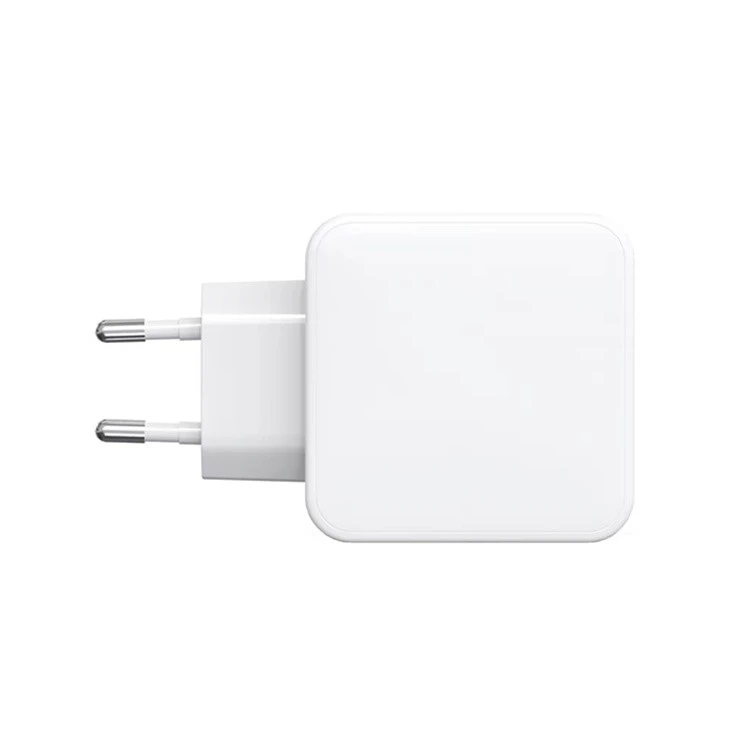
If the connector on the charger is damaged, it might not fit properly into your device. This can cause a loose connection, which can lead to slow charging or no charging at all.
It's important to handle your chargers with care. If you notice any physical damage, it's best to replace the charger to avoid further problems.
Conclusion
So, there you have it - the common problems with wall chargers. Overheating, slow charging, compatibility issues, short lifespan, electrical noise, and physical damage are all things you need to watch out for.
As a wall charger supplier, we're committed to providing high - quality chargers that can help you avoid these problems. Our chargers are designed with the latest technology and are built to last.
If you're in the market for a new wall charger or if you have any questions about the ones we offer, don't hesitate to reach out. We're here to help you find the perfect charger for your needs. Whether you're looking for a fast - charging option or a charger that's compatible with multiple devices, we've got you covered. Let's start a conversation about your charger requirements and see how we can work together.
References
- General knowledge from years of experience in the wall charger industry.
- Technical specifications and research on charger components and functionality.