

In the contemporary digital era, the concept of a knowledge hub has emerged as a cornerstone for information dissemination, collaboration, and innovation. As a hub supplier deeply entrenched in this dynamic landscape, I've witnessed firsthand the transformative power of knowledge hubs and their far - reaching implications across various industries.
A knowledge hub can be defined as a centralized repository or platform that aggregates, organizes, and disseminates information, expertise, and best practices. It serves as a melting pot where individuals, businesses, and institutions can converge to share ideas, learn from one another, and drive collective progress. Knowledge hubs can take many forms, from physical spaces like libraries and research centers to virtual platforms such as online forums, databases, and learning management systems.
One of the primary functions of a knowledge hub is to curate and present information in a structured and accessible manner. In a world inundated with an overwhelming amount of data, the ability to sift through the noise and extract relevant, high - quality knowledge is invaluable. For instance, a knowledge hub dedicated to a specific industry might compile market research reports, industry trends, and case studies, making it easier for professionals to stay informed and make informed decisions. This curation process often involves a team of experts who carefully select and verify the information, ensuring its accuracy and relevance.
Another crucial aspect of a knowledge hub is its role in fostering collaboration and networking. By bringing together individuals with diverse backgrounds and expertise, knowledge hubs create opportunities for cross - pollination of ideas and the formation of partnerships. In a physical knowledge hub, such as a co - working space or a conference center, face - to - face interactions can lead to spontaneous discussions, brainstorming sessions, and the birth of innovative projects. On the virtual front, online communities and social platforms associated with knowledge hubs enable members to connect, share insights, and collaborate remotely, breaking down geographical barriers.
Knowledge hubs also play a vital role in education and professional development. They offer a wealth of learning resources, including online courses, webinars, and tutorials, which can help individuals acquire new skills and knowledge at their own pace. For example, a knowledge hub in the technology sector might provide training on emerging technologies like artificial intelligence, blockchain, and cybersecurity. These educational initiatives not only benefit individuals but also contribute to the overall skill development of the workforce, driving economic growth and competitiveness.
As a hub supplier, I understand the importance of providing high - quality products that support the functionality of knowledge hubs. Our range of products, such as the Transparent USB C Hub, 4 - in - 1 USB C Hub Adapter, and Cyberpunk 12 - in - 1 USB C Hub, are designed to enhance connectivity and productivity in both physical and virtual knowledge hub environments.
The Transparent USB C Hub is a sleek and innovative device that allows users to connect multiple peripherals to their laptops or tablets. Its transparent design not only looks stylish but also provides a clear view of the internal components, adding a touch of uniqueness. This hub is ideal for knowledge hub users who need to connect external hard drives, USB flash drives, keyboards, and other devices simultaneously, enabling seamless data transfer and access to information.
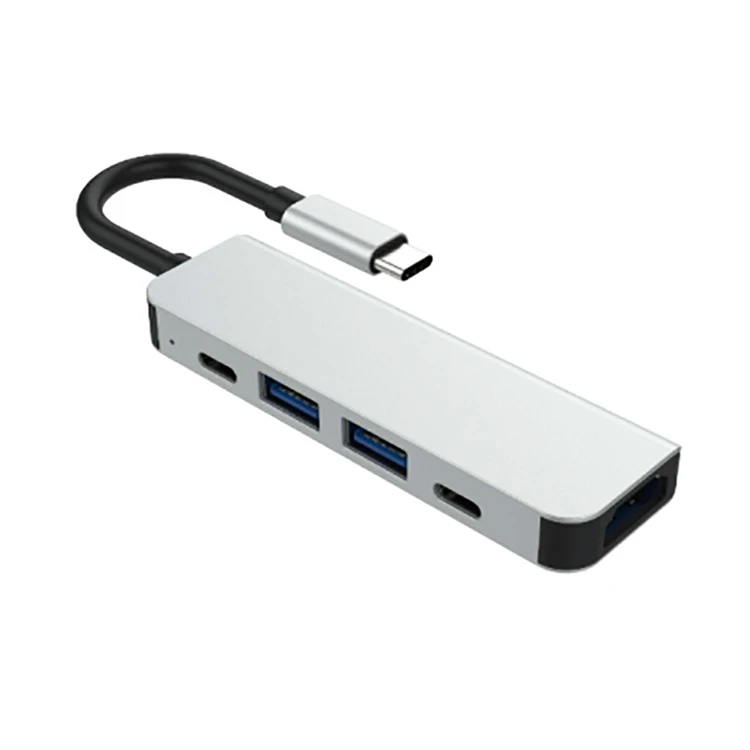
The 4 - in - 1 USB C Hub Adapter is a compact and versatile solution that offers four different ports, including USB 3.0, HDMI, and SD card reader. This adapter is perfect for knowledge hub participants who need to present their work, share files, or connect to external displays during meetings or seminars. Its plug - and - play functionality makes it easy to use, even for those with limited technical knowledge.
The Cyberpunk 12 - in - 1 USB C Hub takes connectivity to the next level with its extensive range of ports. In addition to the standard USB and HDMI ports, it also features Ethernet, VGA, and audio ports, making it suitable for a wide range of applications. Whether you're working in a knowledge hub office, attending a conference, or collaborating remotely, this hub provides all the connectivity options you need to stay productive.
In addition to our product offerings, we also provide excellent customer support and technical assistance. Our team of experts is available to answer any questions you may have about our products, help with installation and setup, and troubleshoot any issues that may arise. We believe that providing exceptional customer service is essential for building long - term relationships with our clients and ensuring their satisfaction.

If you're interested in learning more about our products or how they can enhance the functionality of your knowledge hub, we encourage you to get in touch with us. Our dedicated sales team is ready to discuss your specific needs, provide detailed product information, and offer customized solutions. Whether you're a small startup, a large corporation, or an educational institution, we have the expertise and resources to help you create a more efficient and productive knowledge hub environment.
In conclusion, knowledge hubs are essential in today's information - driven world. They serve as catalysts for innovation, collaboration, and learning, enabling individuals and organizations to thrive in a rapidly changing landscape. As a hub supplier, we are committed to providing high - quality products and services that support the growth and success of knowledge hubs. By leveraging our expertise and technology, you can create a knowledge hub that meets the needs of your users and drives your organization forward.
References
- Davenport, T. H., & Prusak, L. (1998). Working knowledge: How organizations manage what they know. Harvard Business School Press.
- Nonaka, I., & Takeuchi, H. (1995). The knowledge - creating company: How Japanese companies create the dynamics of innovation. Oxford University Press.
- Wenger, E. C., McDermott, R., & Snyder, W. M. (2002). Cultivating communities of practice: A guide to managing knowledge. Harvard Business School Press.