

In the realm of electronic accessories, magnetic cables have emerged as a revolutionary solution, offering enhanced convenience and functionality. As a dedicated magnetic cable supplier, I've witnessed firsthand the growing demand for these innovative products. One question that often arises in the minds of our customers is, "What is the impedance of a magnetic cable?" In this blog post, I'll delve into the concept of impedance, its significance in magnetic cables, and how it impacts the performance of your electronic devices.
Understanding Impedance
Before we explore the impedance of magnetic cables, let's first understand what impedance is. In simple terms, impedance is the measure of opposition that a circuit presents to the flow of alternating current (AC). It is a complex quantity that includes both resistance and reactance. Resistance is the property of a material that opposes the flow of direct current (DC), while reactance is the opposition to the flow of AC due to the presence of inductance or capacitance in the circuit.

Impedance is measured in ohms (Ω) and is represented by the symbol Z. It can be calculated using the following formula:
Z = R + jX
Where:
- Z is the impedance in ohms
- R is the resistance in ohms
- j is the imaginary unit
- X is the reactance in ohms
Impedance in Magnetic Cables
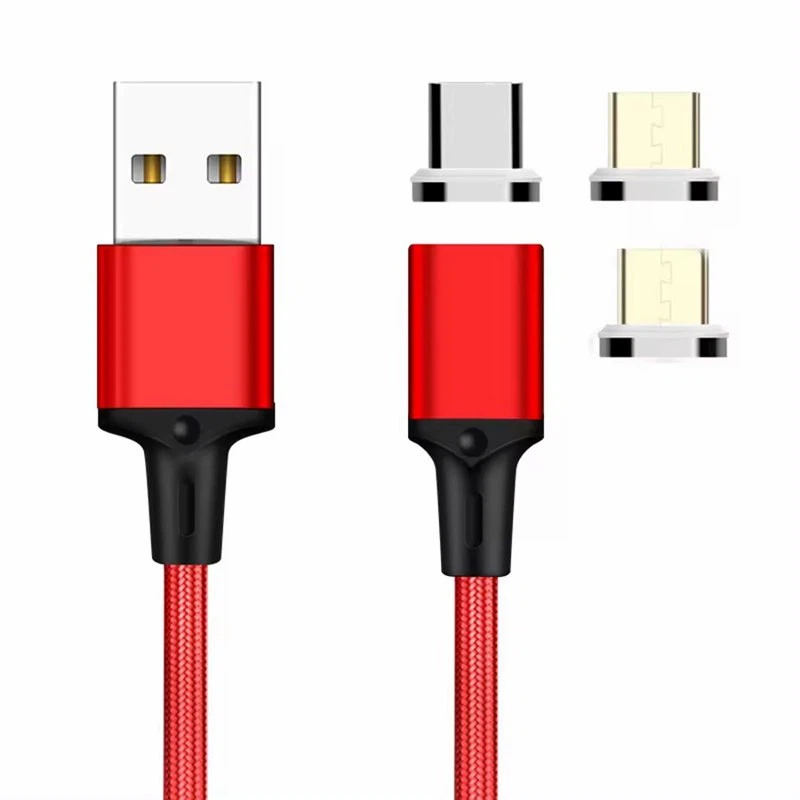
In magnetic cables, impedance plays a crucial role in determining the quality of the electrical signal transmission. A magnetic cable consists of a conductor, an insulator, and a magnetic connector. The conductor is responsible for carrying the electrical current, while the insulator prevents the current from leaking out. The magnetic connector provides a secure and convenient way to connect the cable to the device.
The impedance of a magnetic cable is influenced by several factors, including the type of conductor, the diameter of the conductor, the length of the cable, and the frequency of the electrical signal. Let's take a closer look at each of these factors:
- Type of Conductor: The type of conductor used in a magnetic cable can have a significant impact on its impedance. Copper is the most commonly used conductor in magnetic cables due to its high conductivity and low resistance. Other materials, such as aluminum and silver, may also be used, but they have higher resistance and lower conductivity than copper.
- Diameter of the Conductor: The diameter of the conductor also affects the impedance of a magnetic cable. A thicker conductor has lower resistance and higher conductivity than a thinner conductor, which results in lower impedance. However, a thicker conductor also increases the cost and weight of the cable.
- Length of the Cable: The length of the cable is another important factor that affects its impedance. As the length of the cable increases, the resistance and reactance of the cable also increase, which results in higher impedance. Therefore, it is important to choose the appropriate length of the cable for your application to minimize the impedance.
- Frequency of the Electrical Signal: The frequency of the electrical signal also plays a role in determining the impedance of a magnetic cable. At higher frequencies, the impedance of the cable may increase due to the skin effect, which causes the current to flow mainly on the surface of the conductor. Therefore, it is important to choose a magnetic cable that is designed to operate at the frequency of your electrical signal.
Significance of Impedance in Magnetic Cables
The impedance of a magnetic cable is important because it affects the quality of the electrical signal transmission. If the impedance of the cable is not matched to the impedance of the device, it can result in signal loss, distortion, and interference. This can lead to poor performance, reduced battery life, and even damage to the device.
For example, if the impedance of the magnetic cable is too high, it can cause the electrical signal to be attenuated, which means that the signal strength is reduced. This can result in slow charging, data transfer errors, and poor audio or video quality. On the other hand, if the impedance of the magnetic cable is too low, it can cause the electrical signal to be reflected back to the source, which can result in interference and distortion.
Therefore, it is important to choose a magnetic cable that has the appropriate impedance for your device. Most electronic devices have a specified impedance range, and it is important to choose a magnetic cable that falls within this range. You can usually find the impedance specification for your device in the user manual or on the manufacturer's website.
Choosing the Right Magnetic Cable
As a magnetic cable supplier, I understand the importance of choosing the right magnetic cable for your application. Here are some tips to help you choose the right magnetic cable:
- Check the Impedance Specification: Before you purchase a magnetic cable, make sure to check the impedance specification of your device. Choose a magnetic cable that has the appropriate impedance for your device to ensure optimal performance.
- Consider the Length and Diameter of the Cable: The length and diameter of the cable can also affect its impedance. Choose a cable that is the appropriate length for your application and has a thick enough conductor to minimize the impedance.
- Look for High-Quality Materials: The quality of the materials used in the magnetic cable can also affect its impedance and performance. Look for a cable that is made from high-quality copper or other conductive materials and has a durable insulator and magnetic connector.
- Choose a Reputable Supplier: Finally, it is important to choose a reputable supplier that offers high-quality magnetic cables. Look for a supplier that has a good reputation, offers a warranty on their products, and provides excellent customer service.
Our Magnetic Charging Cable for iPhone
At our company, we offer a wide range of magnetic cables, including the Magnetic Charging Cable for iPhone. Our magnetic charging cable for iPhone is designed to provide fast and efficient charging, as well as reliable data transfer. It has a low impedance and is made from high-quality materials to ensure optimal performance.
Our magnetic charging cable for iPhone is available in different lengths and colors to meet your needs. It is also compatible with all iPhone models, including the iPhone 12, iPhone 11, iPhone X, and iPhone 8. Whether you need to charge your phone at home, in the office, or on the go, our magnetic charging cable for iPhone is the perfect solution.
Conclusion
In conclusion, the impedance of a magnetic cable is an important factor that affects the quality of the electrical signal transmission. It is influenced by several factors, including the type of conductor, the diameter of the conductor, the length of the cable, and the frequency of the electrical signal. Choosing the right magnetic cable with the appropriate impedance for your device is crucial to ensure optimal performance, fast charging, and reliable data transfer.
If you have any questions about the impedance of magnetic cables or need help choosing the right magnetic cable for your application, please don't hesitate to contact us. We are a leading magnetic cable supplier and are committed to providing our customers with high-quality products and excellent customer service. We look forward to working with you and helping you find the perfect magnetic cable for your needs.
References
- Boylestad, R. L., & Nashelsky, L. (2012). Electronic Devices and Circuit Theory. Pearson.
- Horowitz, P., & Hill, W. (2015). The Art of Electronics. Cambridge University Press.
- Sedra, A. S., & Smith, K. C. (2015). Microelectronic Circuits. Oxford University Press.