

Hey there! As a supplier of Type C to Type C cables, I often get asked about the maximum bend cycle these cables can withstand. It's a crucial question, especially for those who use their cables on a daily basis and need them to last. In this blog, I'll dive deep into this topic, sharing what I've learned from my experience in the industry.
Understanding Bend Cycles
First off, let's talk about what a bend cycle actually is. A bend cycle is one complete back - and - forth movement of bending a cable. Think of it like bending a cable to plug it into a device and then straightening it out. Each time you do this, it counts as one bend cycle.
The maximum bend cycle a Type C to Type C cable can withstand refers to the number of times it can be bent before it starts to show signs of wear and tear, like fraying, loss of conductivity, or complete failure.
Factors Affecting Bend Cycles
There are several factors that can influence how many bend cycles a Type C to Type C cable can handle.
Cable Construction
The way a cable is built plays a huge role. High - quality cables usually have a better internal structure. For example, cables with multiple layers of insulation and shielding are more durable. The conductors inside the cable also matter. Stranded conductors are generally more flexible and can withstand more bend cycles compared to solid conductors.
Material Quality
The materials used in the cable are equally important. A cable made with high - grade PVC or TPE (Thermoplastic Elastomer) for the outer jacket is more resistant to bending. These materials are flexible, yet tough enough to protect the internal components.
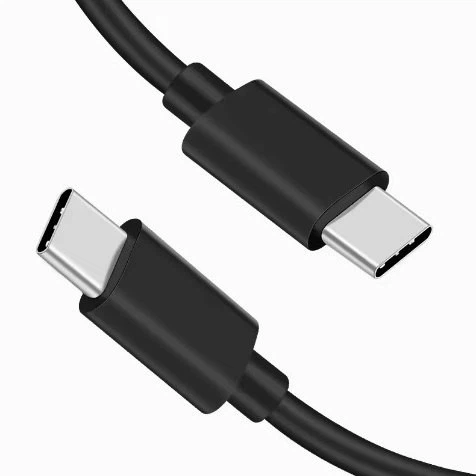

Cable Thickness
Thicker cables are not always better when it comes to bend cycles. While they may seem more robust, they can be less flexible. A medium - thickness cable that is well - constructed often offers the best balance between durability and flexibility.
Industry Standards and Testing
There are no one - size - fits - all standards for the maximum bend cycle of Type C to Type C cables. However, many manufacturers conduct their own tests. They use specialized equipment to bend the cables repeatedly at a specific angle and speed.
Some high - end cables are tested to withstand thousands of bend cycles. For instance, in some tests, cables are bent at a 90 - degree angle, and the number of cycles can range from 10,000 to 100,000. But it's important to note that these are laboratory conditions, and real - world use can be different.
Our Products and Their Bend Cycle Performance
As a supplier, I'm really proud of the cables we offer. Take our 5A Transparent USB C Cable. This cable is designed with high - quality materials and a well - thought - out construction. It has a transparent outer jacket that not only looks cool but also allows you to see the internal components. The multiple layers of insulation and shielding protect the conductors, making it more resistant to bending. We've tested it, and it can withstand a significant number of bend cycles, even under normal daily use.
Our 3A Fast Charge PVC USB C Cable is another great option. The PVC outer jacket is tough and flexible. The cable is engineered to handle the stress of bending, making it suitable for users who are constantly on the go and need a reliable charging cable.
If you're looking for something unique, our Lanyard Cable is a great choice. It's not only functional but also stylish. The design of this cable takes into account the need for flexibility. It can be bent and twisted without easily breaking, which is perfect for those who like to keep their cables handy around their neck or in their bags.
Real - World Examples
I've heard from many of our customers about their experiences with our cables. One customer who works in a busy office environment uses our 5A Transparent USB C Cable to charge his laptop multiple times a day. He plugs and unplugs the cable, bending it in the process. After several months of use, the cable is still in great condition, showing no signs of damage.
Another customer, a frequent traveler, uses our 3A Fast Charge PVC USB C Cable to charge his phone and other devices. He throws the cable in his bag, and it gets bent and jumbled up. But even after many trips, the cable is working perfectly.
Tips to Extend Cable Bend Life
Here are some tips to help you get the most out of your Type C to Type C cables:
- Avoid Sharp Bends: Try not to bend the cable at a very sharp angle. Instead, make gentle curves when you're plugging or unplugging it.
- Proper Storage: When you're not using the cable, store it in a way that doesn't cause it to be bent for long periods. You can use cable organizers or simply coil it up loosely.
- Handle with Care: Be gentle when you're using the cable. Don't yank it out of the device; instead, hold the connector and pull it out slowly.
Conclusion
So, what's the maximum bend cycle a Type C to Type C cable can withstand? Well, it depends on many factors, but with high - quality cables like the ones we offer, you can expect them to last through a significant number of bends.
If you're in the market for reliable Type C to Type C cables, we've got you covered. Our cables are designed with durability and performance in mind. Whether you need a cable for fast charging, data transfer, or just a stylish accessory, we have the right product for you.
If you're interested in purchasing our cables or have any questions about our products, feel free to reach out. We're always happy to help you find the perfect cable for your needs.
References
- Industry reports on cable manufacturing and durability
- In - house testing data from our company