

As a seasoned supplier of wireless chargers, I often encounter inquiries from clients about the input voltage range for these devices. Understanding the appropriate input voltage is crucial for ensuring optimal performance, safety, and compatibility with various power sources. In this blog, I will delve into the details of the input voltage range for wireless chargers and discuss its significance in the context of our product offerings.
Understanding Input Voltage in Wireless Chargers
Input voltage refers to the electrical potential difference that a device requires to operate effectively. In the case of wireless chargers, the input voltage is the power supplied from an external source, such as a wall adapter or a power bank, to the charger itself. This power is then converted into a suitable form to wirelessly transfer energy to compatible devices.
The input voltage range for wireless chargers can vary depending on several factors, including the charger's design, power output, and the technology it employs. Most consumer - grade wireless chargers on the market today have an input voltage range between 5V and 20V. This wide range allows them to be used with a variety of power sources, from standard 5V USB ports on computers or mobile power banks to higher - voltage wall adapters that can support fast - charging capabilities.
Why the Input Voltage Range Matters
The input voltage range is of utmost importance for several reasons. Firstly, it determines the flexibility of the charger. A wider input voltage range means that the charger can be used with a greater variety of power sources. For instance, if you are traveling and only have a 5V power bank available, a charger with a lower end of the input voltage range at 5V can still function, albeit at a potentially slower charging speed. On the other hand, a charger that can handle higher voltages, say up to 20V, can take advantage of fast - charging capabilities when connected to a compatible high - voltage wall adapter.
Secondly, it affects the charging speed. Higher input voltages generally allow for faster charging. When a charger is connected to a power source with a higher voltage within its input voltage range, it can draw more power and transfer it to the device being charged at a quicker rate. For example, our 15W fast charging 3 in 1 magnetic wireless charger is designed to support higher input voltages to achieve its 15W fast - charging capability.
Lastly, the input voltage range is closely related to safety. Chargers are designed to handle a specific range of input voltages. If the input voltage is too low, the charger may not function properly or may not provide enough power to charge the device. Conversely, if the input voltage exceeds the upper limit of the charger's range, it can cause overheating, damage to the charger, or even pose a safety hazard, such as risk of fire or electrical shock.
Input Voltage Range in Our Product Line
At our company, we strive to provide wireless chargers that offer a wide and versatile input voltage range to meet the diverse needs of our customers.
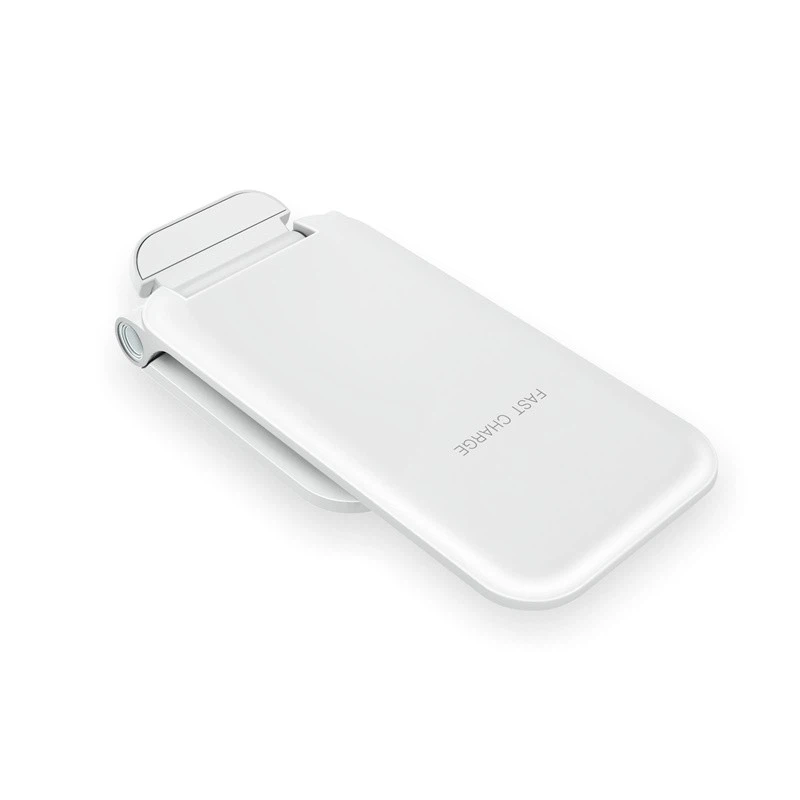
Our Foldable 15W Wireless Charging Stand is a prime example. It has an input voltage range of 5V to 12V. This allows it to be used with a standard 5V USB port on a laptop or a mobile power bank, providing a convenient way to charge your device on - the - go. When connected to a 12V wall adapter, the charger can reach its full 15W power output, enabling fast charging for compatible devices.
Another popular product in our lineup is the Wireless Chargers for IPhone and Smartphones. These chargers typically have an input voltage range that starts from 5V and can go up to 20V. This wide range ensures that they can be used with various Apple - certified and other high - power adapters to support both regular and fast - charging needs for different iPhone models and Android smartphones.
How to Choose the Right Input Voltage for Your Needs
When selecting a wireless charger, it's essential to consider your specific requirements. If you are someone who is often on the move and relies mainly on power banks or laptop USB ports, a charger with a lower input voltage range starting at 5V will be sufficient. These chargers are great for slow - and - steady charging when you're not in a hurry.
However, if you need fast - charging capabilities and often have access to high - voltage wall adapters, choose a charger that can handle higher input voltages. This will allow you to charge your devices in a much shorter time. For example, if you use your phone heavily throughout the day and need to top up the battery quickly during breaks, a charger with an input voltage range that supports fast - charging voltages (such as 9V, 12V, or 20V) will be a better choice.
Tips for Safe Use of Wireless Chargers within the Input Voltage Range
To ensure the safe and efficient use of your wireless charger, always follow these tips:
- Check the power source: Before connecting your charger to a power source, make sure the output voltage of the power source falls within the input voltage range of the charger. For example, if your charger has a maximum input voltage of 12V, do not connect it to a 20V power supply.
- Use the right cable: Use high - quality cables that are compatible with your charger and power source. Faulty or low - quality cables can cause voltage drops or other electrical issues, which may affect the charger's performance or safety.
- Monitor the charger's temperature: During charging, keep an eye on the charger's temperature. If it becomes excessively hot, it could be a sign of overvoltage or other problems. Immediately disconnect the charger and stop using it until you can determine the cause.
Conclusion
In conclusion, the input voltage range for wireless chargers plays a vital role in their performance, flexibility, and safety. As a wireless charger supplier, we understand the importance of providing products with appropriate input voltage ranges to meet the needs of our customers. Whether you are looking for a charger for on - the - go use with low - voltage power sources or a fast - charging solution for high - voltage wall adapters, our product line has options to suit your requirements.
If you are interested in exploring our wireless charger products further or have any questions regarding input voltage ranges or other technical details, we invite you to contact us for a procurement discussion. We are committed to providing high - quality wireless chargers and excellent customer service to help you meet your charging needs.

References
- Fundamentals of Electrical Engineering, Third Edition by Robert J. Smith
- Introduction to Electronic Devices and Circuits by Malvino and Bates