

The temperature range within which a PD Type C cable can operate effectively is a crucial factor that directly impacts its performance, safety, and longevity. As a supplier of PD Type C cables, I've witnessed firsthand how temperature variations can influence the functionality of these cables. In this blog, I'll delve into the ideal temperature range for PD Type C cables, the effects of extreme temperatures, and how to ensure optimal performance under different environmental conditions.
Understanding PD Type C Cables
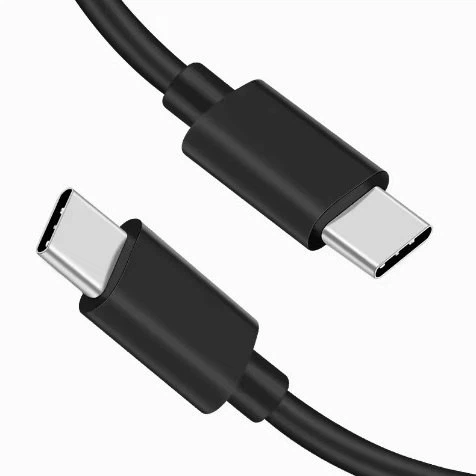
Before we discuss the temperature range, let's briefly understand what PD Type C cables are. PD, or Power Delivery, is a protocol that allows for higher power transfer over USB Type C cables. These cables are designed to support various power levels, enabling fast charging for a wide range of devices, from smartphones and tablets to laptops and even some high - power accessories. The PD Type C Cable is characterized by its reversible connector, which makes it convenient to use, and its ability to handle different data transfer speeds along with power delivery.
Ideal Temperature Range for PD Type C Cables
The ideal temperature range for most PD Type C cables to work efficiently is between 0°C and 60°C (32°F and 140°F). Within this range, the cable's electrical properties remain stable, and it can deliver power and data as intended.
At normal room temperatures, typically around 20 - 25°C (68 - 77°F), the cable operates at its best. The insulation materials used in the cable maintain their flexibility and electrical resistance, ensuring minimal power loss during transmission. The conductors inside the cable also have optimal conductivity, which helps in efficient power delivery and high - speed data transfer.
Effects of Low Temperatures
When the temperature drops below 0°C (32°F), several issues can arise. First, the insulation materials in the cable can become brittle. This brittleness increases the risk of the insulation cracking, which can expose the internal conductors. Once the conductors are exposed, there is a higher chance of short - circuits, which can damage both the cable and the connected devices.
In addition, low temperatures can increase the electrical resistance of the conductors. Higher resistance means that more power is dissipated as heat within the cable itself, reducing the amount of power that reaches the connected device. As a result, the charging speed may slow down significantly, and the device may take much longer to charge. For example, if you're trying to charge your smartphone in a cold car during winter, you may notice that it charges much slower than usual.
Effects of High Temperatures
On the other end of the spectrum, temperatures above 60°C (140°F) can also cause problems. High temperatures can cause the insulation materials to soften or melt. When the insulation melts, it can no longer provide proper electrical isolation between the conductors, leading to short - circuits.
Moreover, high temperatures can accelerate the aging process of the cable. The chemical reactions that occur within the cable materials at elevated temperatures can degrade the conductors and insulation over time, reducing the cable's overall lifespan. In extreme cases, the cable may even catch fire if the temperature rises too high and the insulation fails completely.
Ensuring Optimal Performance in Different Temperatures
As a supplier, I often receive questions from customers on how to ensure their PD Type C cables perform well in different temperature conditions. Here are some tips:
- Avoid Extreme Environments: Try to use the cable within the recommended temperature range. If you're in a very cold or hot environment, it's best to move the cable and the connected devices to a more suitable temperature zone. For example, if you're working outdoors in the summer, keep your cable and devices in the shade or an air - conditioned area.
- Proper Storage: When not in use, store the cable in a cool, dry place. Avoid leaving it in direct sunlight or in a hot car trunk. Similarly, in cold climates, don't leave the cable outside for extended periods.
- Choose High - Quality Cables: High - quality cables are often designed to withstand a wider temperature range. Our 3A Fast Charge PVC USB C Cable is made with high - grade insulation materials that can tolerate temperature variations better than some lower - quality alternatives.
Specialized Cables for Extreme Temperatures
In some cases, where the cable needs to operate in extreme temperatures, specialized cables are available. These cables are designed with insulation materials that can withstand much lower or higher temperatures. For example, there are cables with silicone - based insulation that can operate at temperatures as low as - 40°C (- 40°F) and as high as 120°C (248°F). However, these specialized cables are usually more expensive due to the advanced materials used.

Impact on Different Types of PD Type C Cables
Different types of PD Type C cables may have slightly different temperature tolerances. For example, Lanyard Cable, which are often used for more portable and lightweight applications, may have a slightly narrower temperature range compared to heavy - duty cables designed for industrial use.
Industrial - grade PD Type C cables are built to be more robust and can often withstand a wider range of temperatures. They are typically used in environments where temperature fluctuations are more extreme, such as in factories or outdoor industrial equipment.
Conclusion
In conclusion, understanding the temperature range for PD Type C cables is essential for ensuring their proper functioning and longevity. By keeping the cable within the ideal temperature range of 0°C to 60°C (32°F to 140°F), you can avoid many of the problems associated with extreme temperatures.
As a PD Type C cable supplier, we are committed to providing high - quality cables that can perform well under normal conditions and offer specialized solutions for more extreme environments. If you're in the market for PD Type C cables or have any questions about their performance in different temperatures, feel free to reach out to us. We can help you choose the right cable for your specific needs and ensure that you get the best performance and reliability.
References
- IEEE Standards for Electrical and Electronic Insulation.
- USB Implementers Forum (USB - IF) Specifications for USB Type C and Power Delivery.
- Manufacturer's technical documents on PD Type C cable materials and performance.