

As a supplier of USB C and USB A wall chargers, I often receive inquiries from customers about whether they can use a USB A wall charger for their e - readers. This is a common question, and in this blog post, I'll delve into the details to provide a comprehensive answer.
Compatibility of USB A Wall Chargers with E - Readers
First, let's understand the basics of USB A and e - readers. USB A is a widely used standard for charging various electronic devices. It has been around for a long time and is still very common in many households. E - readers, on the other hand, are designed to provide a comfortable reading experience, and they usually have a relatively small battery capacity compared to other devices like smartphones or tablets.
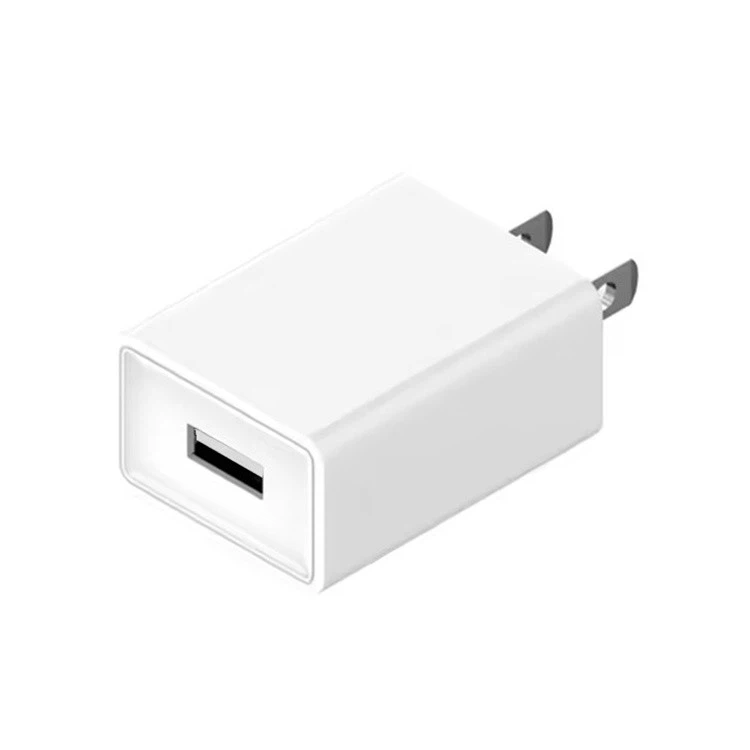
Most e - readers are compatible with USB A wall chargers. This is because the power requirements of e - readers are generally not very high. They typically need a low - current charge to keep their batteries topped up. USB A ports can usually provide the necessary power output, usually around 5V and 1A or 2.1A, which is sufficient for most e - readers.
However, it's important to note that not all e - readers are the same. Some newer models may support faster charging technologies or have specific power requirements. For example, some e - readers with larger screens or more advanced features might benefit from a higher - power charger. In such cases, using a USB A charger might result in slower charging times.
Advantages of Using a USB A Wall Charger for E - Readers
Simplicity and Availability
One of the main advantages of using a USB A wall charger for your e - reader is its simplicity and wide availability. USB A chargers are ubiquitous. You can find them in almost any electronics store, and many people already have multiple USB A chargers at home from other devices like smartphones or tablets. This means that you don't have to go out and buy a special charger for your e - reader.
Cost - Effective
USB A chargers are generally more affordable than their USB C counterparts. If you're on a budget, using a USB A charger for your e - reader can be a cost - effective solution. You can get a basic USB A wall charger for a relatively low price, and it will still do the job of charging your e - reader.
Disadvantages of Using a USB A Wall Charger for E - Readers
Slower Charging Speeds
As mentioned earlier, USB A chargers may offer slower charging speeds compared to some other charging options. If you're in a hurry and need to charge your e - reader quickly, a USB A charger might not be the best choice. Some e - readers support fast - charging technologies, and using a USB A charger will not take advantage of these features.

Limited Compatibility with Newer Devices
With the increasing popularity of USB C, some newer e - readers are designed to be used with USB C chargers. These devices may have specific power management systems that are optimized for USB C charging. Using a USB A charger on such devices may not provide the best performance or could even pose a risk to the device in some rare cases.
Alternatives to USB A Wall Chargers for E - Readers
USB C Wall Chargers
USB C is becoming the new standard for charging electronic devices. It offers several advantages over USB A, including faster charging speeds, higher power output, and better compatibility with newer devices. If your e - reader supports USB C charging, using a USB C wall charger can significantly reduce charging times. For example, our 65W GaN Wall Charger provides high - power output and is suitable for a wide range of devices, including some e - readers.
PD Fast Charging Power Adapters
Power Delivery (PD) is a fast - charging technology that allows devices to negotiate the optimal charging power. If your e - reader supports PD fast charging, using a PD Fast Charging Power Adapter for US can charge your device much faster than a regular USB A charger.
Safety Considerations
When using any charger for your e - reader, safety should be a top priority. It's important to use a charger that is certified and meets safety standards. Our UL Wall Charger is UL - certified, which means it has passed rigorous safety tests. Using an uncertified charger can pose a risk of overheating, short - circuiting, or even damaging your e - reader.
Conclusion
In conclusion, you can generally use a USB A wall charger for your e - reader. It's a simple, cost - effective, and widely available option. However, if you want faster charging speeds or have a newer e - reader with specific power requirements, you might want to consider using a USB C charger or a PD fast - charging adapter.
If you're in the market for a reliable wall charger for your e - reader or other electronic devices, we're here to help. As a professional supplier of USB C and USB A wall chargers, we offer a wide range of high - quality products that meet various needs. Whether you need a basic USB A charger or a high - power USB C charger, we have the right solution for you. Contact us to start a procurement negotiation and find the best charger for your requirements.
References
- “USB Charging Standards: A Comprehensive Guide.” Electronics Today Magazine.
- Manufacturer's user manuals for various e - readers.