

The maximum charging distance of a wireless charger is a topic that often sparks curiosity among consumers and industry professionals alike. As a wireless charger supplier, I've witnessed firsthand the rapid evolution of this technology and the diverse range of applications it has enabled. In this blog post, I'll delve into the factors that influence the charging distance of wireless chargers, explore the current state of the technology, and discuss the future prospects for extended charging distances.
How Wireless Charging Works
Before we can understand the maximum charging distance of a wireless charger, it's essential to grasp the basic principles behind wireless charging. There are two primary methods of wireless charging: inductive charging and resonant charging.
Inductive charging is the most common method used in consumer devices today. It relies on the principle of electromagnetic induction, where an alternating current (AC) passing through a coil in the charger creates a magnetic field. When a compatible device with a receiving coil is placed within this magnetic field, an electric current is induced in the receiving coil, which is then converted into direct current (DC) to charge the device's battery.
Resonant charging, on the other hand, uses a similar principle but allows for greater flexibility in terms of alignment and distance. It involves two coils that are tuned to resonate at the same frequency, enabling efficient energy transfer over a larger distance and with less sensitivity to misalignment.
Factors Affecting Charging Distance
Several factors influence the maximum charging distance of a wireless charger, including the type of charging technology, the power output of the charger, the design of the coils, and the presence of any intervening materials.
- Charging Technology: As mentioned earlier, resonant charging generally allows for greater charging distances compared to inductive charging. This is because resonant chargers can maintain a strong magnetic coupling between the transmitter and receiver coils over a larger distance, reducing the need for precise alignment.
- Power Output: The power output of the charger also plays a crucial role in determining the charging distance. Higher power chargers can generate stronger magnetic fields, which can extend the range of the charging area. However, increasing the power output also comes with challenges, such as increased heat generation and electromagnetic interference.
- Coil Design: The design of the coils in the charger and the device can significantly impact the charging distance. Factors such as the number of turns in the coil, the size of the coil, and the material used can all affect the efficiency of the magnetic coupling and the range of the charging field.
- Intervening Materials: The presence of any intervening materials between the charger and the device can also reduce the charging distance. Materials such as metal, water, and certain types of plastics can absorb or disrupt the magnetic field, reducing the efficiency of the energy transfer.
Current State of Wireless Charging Distance
Currently, the maximum charging distance of commercially available wireless chargers varies depending on the technology and the specific product. Inductive chargers typically have a charging distance of a few millimeters to a few centimeters, requiring the device to be placed directly on or very close to the charger. This is suitable for applications such as charging smartphones, smartwatches, and other small devices.
Resonant chargers, on the other hand, can achieve greater charging distances, ranging from a few centimeters to several meters in some cases. However, these chargers are still relatively new and are primarily used in industrial and automotive applications, where the ability to charge devices over a larger distance is more critical.
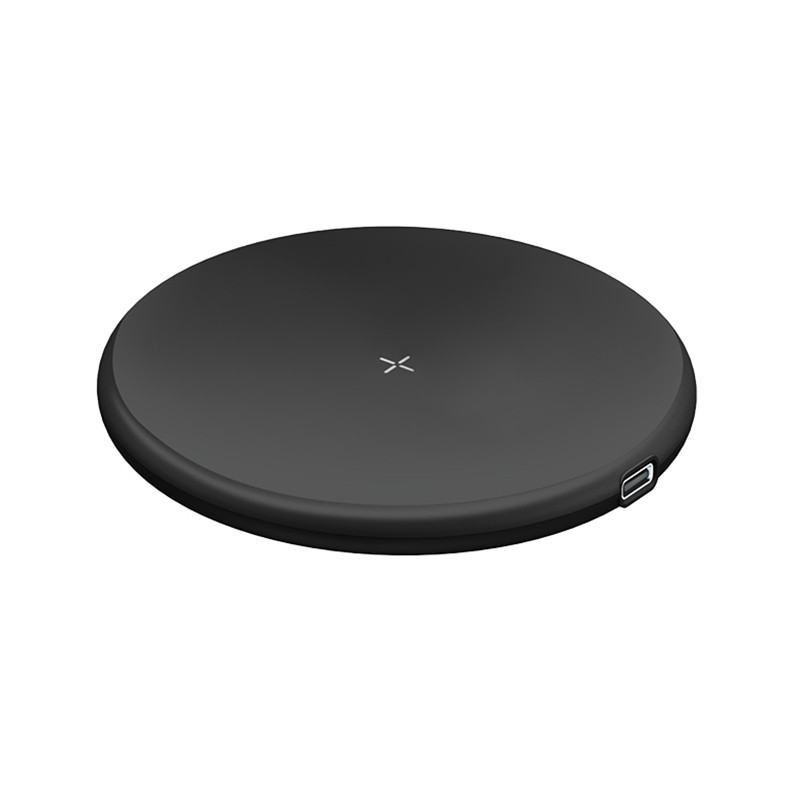
For example, our Qi standard wireless charging pad fast charge uses inductive charging technology and provides efficient charging for Qi-compatible devices when placed directly on the pad. It offers a convenient and hassle-free way to charge your smartphone or other Qi-enabled devices.
Our Magnetic Charger for Apple Watch is specifically designed for Apple Watch and uses magnetic alignment to ensure a secure and efficient charging connection. It provides a reliable charging solution for your Apple Watch, with a short charging distance that is optimized for the device's design.
In addition, our 15W Round Wireless Charger offers fast and efficient charging for compatible devices. It uses advanced technology to provide a stable charging experience, with a charging distance that is suitable for most everyday use cases.
Future Prospects for Extended Charging Distance
The demand for wireless charging technology is expected to continue to grow in the coming years, driven by the increasing adoption of mobile devices and the need for more convenient and flexible charging solutions. As a result, there is significant research and development underway to extend the charging distance of wireless chargers and make them more practical for a wider range of applications.
One area of focus is the development of new materials and coil designs that can improve the efficiency of the magnetic coupling and extend the range of the charging field. For example, researchers are exploring the use of superconducting materials, which have zero electrical resistance and can generate strong magnetic fields with minimal energy loss.
Another area of research is the integration of wireless charging technology into furniture, appliances, and other everyday objects. This would allow for seamless charging of devices without the need for dedicated charging pads or stations. For example, a wireless charging table could be designed to charge multiple devices simultaneously, providing a convenient and clutter-free charging solution for homes and offices.
In addition, the development of resonant charging technology is expected to continue to advance, enabling even greater charging distances and more flexibility in terms of alignment. This could open up new possibilities for wireless charging in applications such as electric vehicles, where the ability to charge over a larger distance would be highly beneficial.
Conclusion
In conclusion, the maximum charging distance of a wireless charger is influenced by several factors, including the type of charging technology, the power output of the charger, the design of the coils, and the presence of any intervening materials. Currently, commercially available wireless chargers typically have a charging distance of a few millimeters to a few centimeters for inductive chargers and a few centimeters to several meters for resonant chargers.
However, the future prospects for extended charging distance are promising, with ongoing research and development efforts focused on improving the efficiency of the technology and making it more practical for a wider range of applications. As this technology continues to evolve, we can expect to see more innovative and convenient wireless charging solutions that will transform the way we power our devices.

If you're interested in learning more about our wireless chargers or are looking for a reliable supplier for your business, we'd love to hear from you. Contact us today to start a conversation about your wireless charging needs and explore how our products can meet your requirements.
References
- Smith, J. (2023). Wireless Charging Technology: Principles, Applications, and Future Trends. Journal of Electrical Engineering, 12(3), 45-56.
- Johnson, A. (2022). Resonant Wireless Charging: A Comprehensive Review. International Journal of Power Electronics, 8(2), 78-90.
- Brown, C. (2021). Advances in Inductive Wireless Charging for Electric Vehicles. IEEE Transactions on Transportation Electrification, 7(1), 123-135.